By The Jill Armstrong Team, Iowa City Real Estate Agents & Realtors
When buyers start their home search in Iowa City, square footage is often one of the first filters they apply. While size matters, it’s rarely the factor that determines whether a home truly fits your lifestyle or holds its value long term. At The Jill Armstrong Team, we guide buyers every day through homes that look great on paper but tell a very different story once you dig deeper.
The smartest buyers look beyond the numbers. They pay attention to layout, location, condition, and livability—elements that directly impact how a home feels to live in and how it performs as an investment.
Whether you’re relocating to Iowa City, moving up locally, or buying your first home near the University of Iowa, this checklist will help you evaluate properties with confidence and intention.
Location Within Iowa City Matters Controlled
You’ve likely heard that location is everything, and in Iowa City, that statement holds real weight. Two homes with identical square footage can feel completely different depending on where they’re situated.
Consider proximity to daily amenities like grocery stores, parks, schools, and healthcare. Neighborhoods such as Manville Heights and Longfellow offer walkability and character, while west side communities provide newer construction, larger lots, and convenient access to Coralville. Homes near downtown or campus may appeal to buyers seeking energy and convenience, while areas closer to City Park or along the Iowa River offer a quieter, nature-oriented lifestyle.
Also, pay attention to traffic patterns, parking availability, and future development plans. These factors influence both daily enjoyment and long-term resale value.
Layout and Flow Over Raw Size
A well-designed 1,800-square-foot home can feel far more functional than a poorly laid-out 2,400-square-foot property. As you tour homes in Iowa City, focus on how the space flows rather than its size.
Ask yourself whether the layout supports your daily routine. Are the living areas connected in a way that feels natural? Does the kitchen function as a gathering space or feel isolated? Are bedrooms thoughtfully placed for privacy?
Older homes near the Northside often feature charming details but may have compartmentalized rooms. Newer construction on the west side tends to emphasize open concepts. Neither is better—it’s about what aligns with your lifestyle.
Natural Light and Orientation
Light changes how a home feels throughout the day. In Iowa City, where seasons dramatically affect daylight, natural light is a major quality-of-life factor.
Notice the direction the home faces and how sunlight enters the main living spaces. South- and west-facing rooms often receive the most light, while north-facing rooms may feel cooler and dimmer. Large windows, skylights, and glass doors can enhance even smaller rooms.
During showings, imagine how the home will feel during the winter months when daylight is limited. Homes that maintain warmth and brightness year-round tend to feel more comfortable and inviting.
Storage and Everyday Functionality
Square footage doesn’t always account for usable storage, and a lack of it can quickly become a frustration. Look closely at closets, pantry space, and built-ins.
In Iowa City homes, especially older properties, storage can vary widely. Check bedroom closets, linen storage, and garage capacity. Finished basements and attic spaces can add valuable functionality if they’re dry, accessible, and well-maintained.
Also consider laundry placement, mudroom potential, and drop zones for coats and shoes—small details that significantly affect daily living.
Condition and Quality of Systems
A home’s condition often matters more than its size. Pay attention to major systems such as the roof, HVAC, plumbing, electrical, and windows.
In Iowa City’s climate, energy efficiency is especially important. Ask about insulation, window age, and heating efficiency. Well-maintained systems not only reduce future expenses but also contribute to comfort during hot summers and cold winters.
During tours, look beyond cosmetic updates. Fresh paint is appealing, but long-term value comes from solid infrastructure and thoughtful maintenance.
Outdoor Space and Lifestyle Fit
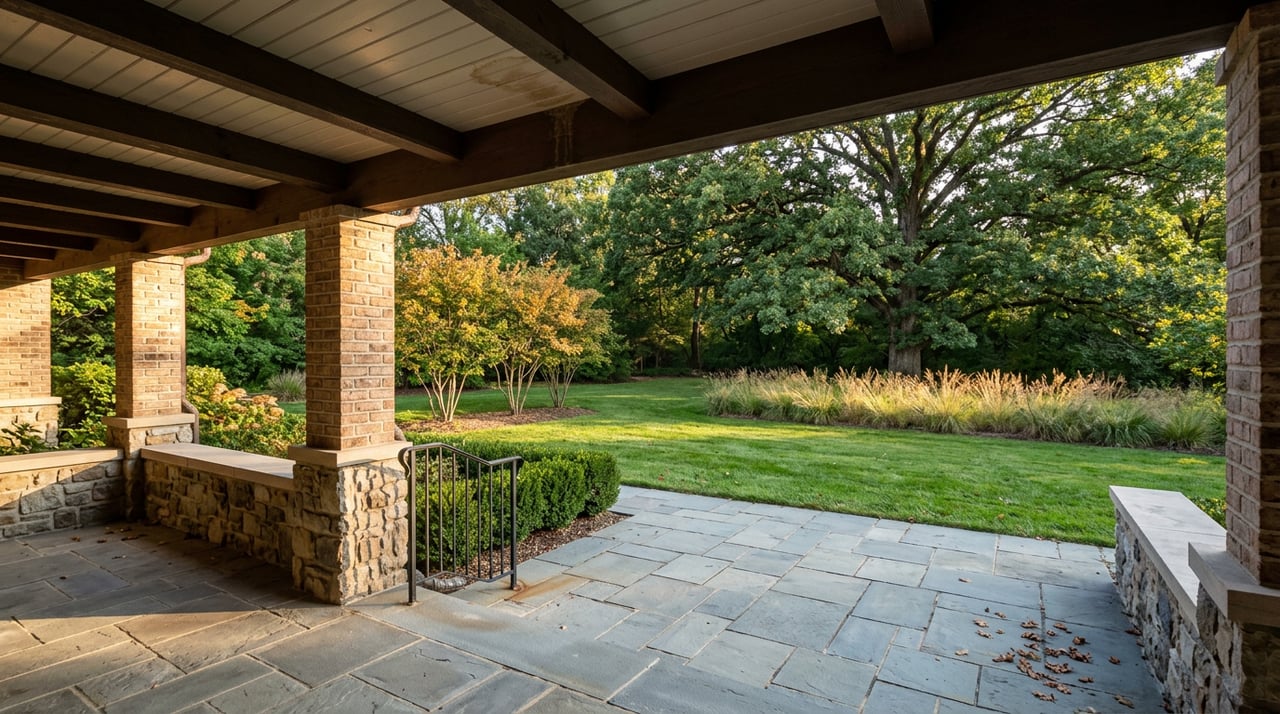
Outdoor areas extend your living space, even if they don’t add square footage. Consider how you’ll use patios, decks, yards, or balconies.
In neighborhoods near City Park or along established bike paths, outdoor access enhances lifestyle appeal. On the west side, larger yards may suit families or buyers who enjoy entertaining. Condos and townhomes may offer low-maintenance outdoor options that appeal to busy professionals.
Think about privacy, sun exposure, and maintenance requirements. The best outdoor space is one that matches how you actually live.
Neighborhood Character and Community Feel
A home doesn’t exist in isolation. Spend time exploring the surrounding area at different times of day. Listen for noise levels, observe foot traffic, and notice how neighbors interact.
Iowa City boasts a strong sense of community, with each neighborhood possessing its own unique personality. Some buyers value quiet streets and mature trees, while others prefer vibrant, walkable areas with restaurants and cultural events nearby.
Choosing the right neighborhood often matters more than choosing the largest house.
Long-Term Flexibility and Resale Potential
Even if you plan to stay for years, it’s wise to consider how a home may perform in the future. Flexible layouts, neutral designs, and desirable locations tend to hold value better over time.
Ask whether the home could adapt to changing needs, such as a home office, guest space, or multigenerational living. Homes that offer versatility often appeal to a broader range of buyers when it’s time to sell.
FAQ: Smart Home Searching in Iowa City
Is square footage ever misleading?
Yes. Square footage doesn’t reflect layout efficiency, ceiling height, or unusable areas. Always evaluate how the space lives.
Should I prioritize location over size?
In many cases, yes. A smaller home in a strong Iowa City neighborhood often outperforms a larger home in a less desirable location.
How important are inspections when buying?
Extremely important. Inspections reveal issues that aren’t visible during showings and help you make informed decisions.
Do older Iowa City homes require more upkeep?
Not always, but maintenance varies widely. Well-cared-for older homes can be just as reliable as newer construction.
Can you help me evaluate homes beyond the basics?
Absolutely. The Jill Armstrong Team guides buyers through both visible and hidden factors that affect value and livability.
Finding the right home in Iowa City means looking beyond square footage and focusing on what truly supports your lifestyle and goals. At The Jill Armstrong Team, we help buyers navigate every detail with clarity and confidence. If you’re ready to start your search or want expert guidance along the way, connect with us today.