By The Jill Armstrong Team
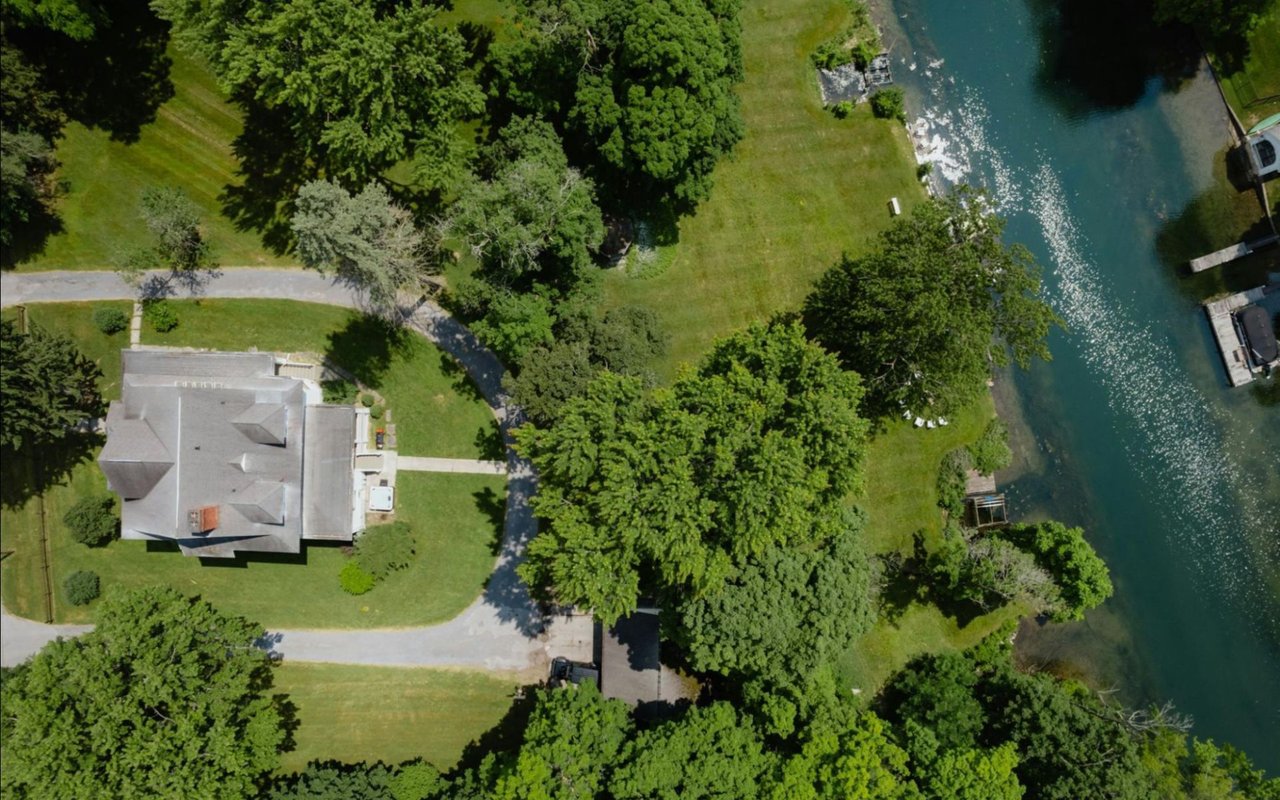
There is something undeniably appealing about living near the water. The quiet rhythm of a river, the open sky above a reservoir, the way natural light moves differently when it reflects off a nearby lake or stream. In and around Iowa City, water-adjacent living is not just a lifestyle choice. It is a real estate category that comes with its own set of considerations, opportunities, and responsibilities that every buyer should understand before making an offer.
At The Jill Armstrong Team, we have guided many buyers through the process of purchasing homes near the Iowa River, Coralville Lake, and the various waterways and flood-adjacent areas that define much of Johnson County's natural landscape. Here is what we want every prospective water-adjacent buyer to know.
Understanding the Water Resources in the Iowa City Area
The Iowa City region is defined in many ways by its relationship with water. The Iowa River runs directly through the heart of the community, winding past the University of Iowa campus, through downtown, and into the Coralville Reservoir just to the north. Coralville Lake, managed by the U.S. Army Corps of Engineers, offers recreational boating, fishing, hiking, and shoreline living that attracts buyers from across the region.
Communities like Solon, Hills, and rural Johnson County also feature properties situated near creeks, ponds, and agricultural drainage corridors that can influence flood risk, insurance requirements, and land use. Understanding the specific water feature associated with a property is the essential first step in any water-adjacent purchase, and The Jill Armstrong Team takes that step seriously with every client.
Flood Zones and FEMA Flood Maps
The single most important piece of information for any buyer considering a water-adjacent property in Iowa City is whether the home sits within a designated flood zone. The Federal Emergency Management Agency maintains official flood maps that identify Special Flood Hazard Areas, commonly referred to as the 100-year floodplain.
Homes located within these zones are typically required by mortgage lenders to carry flood insurance, which is purchased separately from a standard homeowner's policy. This adds a meaningful line item to monthly carrying costs that buyers must account for in their budgets.
Iowa City and the surrounding areas experienced significant flood events in 2008 that reshaped the community's relationship with water management. Since then, local governments have invested substantially in flood mitigation infrastructure, buyout programs, and updated zoning regulations. Many areas that were once vulnerable have been improved, while others remain in active floodplains.
The Jill Armstrong Team always recommends that buyers obtain a flood zone determination early in the due diligence process and consult with their insurance agent about projected flood insurance premiums before proceeding with an offer.
The True Cost of Waterfront and Water-Adjacent Living
Living near the water carries real financial implications beyond flood insurance. Buyers should anticipate and budget for several categories of ongoing expenses that are specific to water-adjacent properties.
Moisture and humidity management is a consistent concern. Homes near rivers and lakes can experience higher interior humidity levels, which accelerates wear on certain building materials, promotes mold growth if not properly managed, and requires more attentive HVAC maintenance. During a home inspection, The Jill Armstrong Team encourages buyers to pay particular attention to crawl spaces, basement waterproofing systems, and the condition of exterior finishes.
Properties with direct water frontage may also require maintenance of shoreline stabilization features such as riprap, retaining walls, or erosion control plantings. These are not optional. They are often required by local or state environmental regulations, and their upkeep is the homeowner's responsibility.
If the property includes a dock, boat lift, or other water structure, buyers should investigate whether those improvements are properly permitted and in good structural condition. Unpermitted water structures can create complications during resale and may require costly remediation.
Environmental and Regulatory Considerations
Water-adjacent properties in Iowa are subject to a layered set of environmental protections and local regulations. The Iowa Department of Natural Resources oversees shoreline and waterway regulations, and local municipalities may impose additional setback requirements, restrictions on vegetation removal, and guidelines governing what can be built near a waterway.
Buyers interested in properties along the Iowa River corridor, near Coralville Lake, or adjacent to any protected natural area should carefully review what is and is not permitted on the land before closing. The Jill Armstrong Team recommends engaging a real estate attorney familiar with Iowa environmental property law when any regulatory ambiguity exists.
What Water Views and Water Access Are Actually Worth
It is well established in real estate that water proximity commands a price premium. In Johnson County and the greater Iowa City area, homes with river views, lake access, or shoreline frontage often carry values above comparable inland properties. For buyers, this premium is an important context for understanding what they are paying for and what they are taking on.
Seasonal variability matters here as well. A property that feels serene and private in the summer may look and feel quite different during spring snowmelt, periods of heavy rainfall, or high-water events that occasionally affect the Iowa River and Coralville Reservoir. The Jill Armstrong Team advises buyers to visit water-adjacent properties at different times of year when possible, and to ask direct questions about past flooding, drainage issues, and water table behavior.
Due Diligence Steps Specific to Water-Adjacent Purchases
Beyond the standard inspection and title review, buyers considering water-adjacent properties in Iowa City should take several additional due diligence steps. Requesting historical flood records for the property is essential. Reviewing elevation certificates, which document a structure's elevation relative to the base flood elevation, provides critical context for insurance pricing.
Consulting with the local floodplain administrator, typically through the City of Iowa City or Johnson County, can clarify current risk designations and any planned infrastructure changes that may affect the property.
The Jill Armstrong Team coordinates these steps on behalf of our clients because we know that the details in water-adjacent purchases are where surprises live, and we work hard to eliminate surprises before closing day.
FAQ: Buying Near Water in Iowa City
Do all homes near the Iowa River require flood insurance?
Not automatically. Flood insurance requirements depend on the property's specific flood zone designation. Homes in Special Flood Hazard Areas with federally backed mortgages are required to carry it. The Jill Armstrong Team always recommends verifying flood zone status early.
How much does flood insurance typically cost in Iowa City?
Premiums vary based on flood zone, the home's elevation, and coverage levels. The Jill Armstrong Team encourages buyers to obtain a quote from their insurance agent before finalizing any water-adjacent purchase.
Has Iowa City improved its flood infrastructure since 2008?
Significantly. The city has invested in levee improvements, stormwater management systems, and voluntary buyout programs in the most vulnerable areas. However, buyers should still conduct thorough due diligence on any specific property.
Can I build a dock or add water structures on a property near Coralville Lake?
Potentially, but permits from the U.S. Army Corps of Engineers and the Iowa DNR are typically required. The Jill Armstrong Team recommends consulting with the appropriate agencies before assuming any water structure improvements are permissible.
Is water-adjacent property a good long-term investment in the Iowa City area?
When purchased with full awareness of the associated risks and costs, water-adjacent properties in desirable areas of Johnson County have historically held strong value. The key is informed buying, and that is exactly what The Jill Armstrong Team is here to support.
Buying near the water is one of the most rewarding real estate decisions a person can make when approached with the right knowledge and the right guidance. The Iowa City area offers genuinely beautiful water-adjacent living opportunities, and The Jill Armstrong Team is here to help you navigate every layer of that decision with clarity and confidence.
Visit The Jill Armstrong Team to connect with our team and begin your search for the perfect home near the water.