By The Jill Armstrong Team
We have walked through hundreds of homes alongside buyers in Iowa City, Coralville, North Liberty, and Tiffin. And one thing we have learned from being in the room when that front door opens is that buyers form impressions faster than most sellers expect. The first sixty seconds of a showing carry disproportionate weight. What a buyer sees, smells, and feels in that initial moment sets the frame for everything that follows.
Understanding what buyers actually notice first, not what sellers assume they notice, is one of the most valuable things we share with our clients before a home goes to market. The details that create strong first impressions are not always the most expensive ones. But neglecting them is consistently costly.
Key Takeaways
- Buyers form lasting impressions within the first sixty seconds of entering a home, making the entry sequence one of the highest-leverage areas a seller can address before listing
- Curb appeal, front entry condition, and the first interior sightline are the three elements that shape a buyer's emotional frame before they reach the kitchen or primary suite
- Odor is among the most immediate and influential sensory signals buyers register, and it is the one sellers are least equipped to evaluate objectively
- Natural light, ceiling height perception, and spatial flow are consistently noted in showing feedback across Iowa City's luxury and upper-mid market
- Deferred maintenance details visible during a tour signal broader neglect to buyers and affect both offer price and buyer confidence
- The Jill Armstrong Team prepares every seller with a specific, market-informed pre-listing checklist designed around what Johnson County buyers actually respond to
The Approach and Entry Sequence
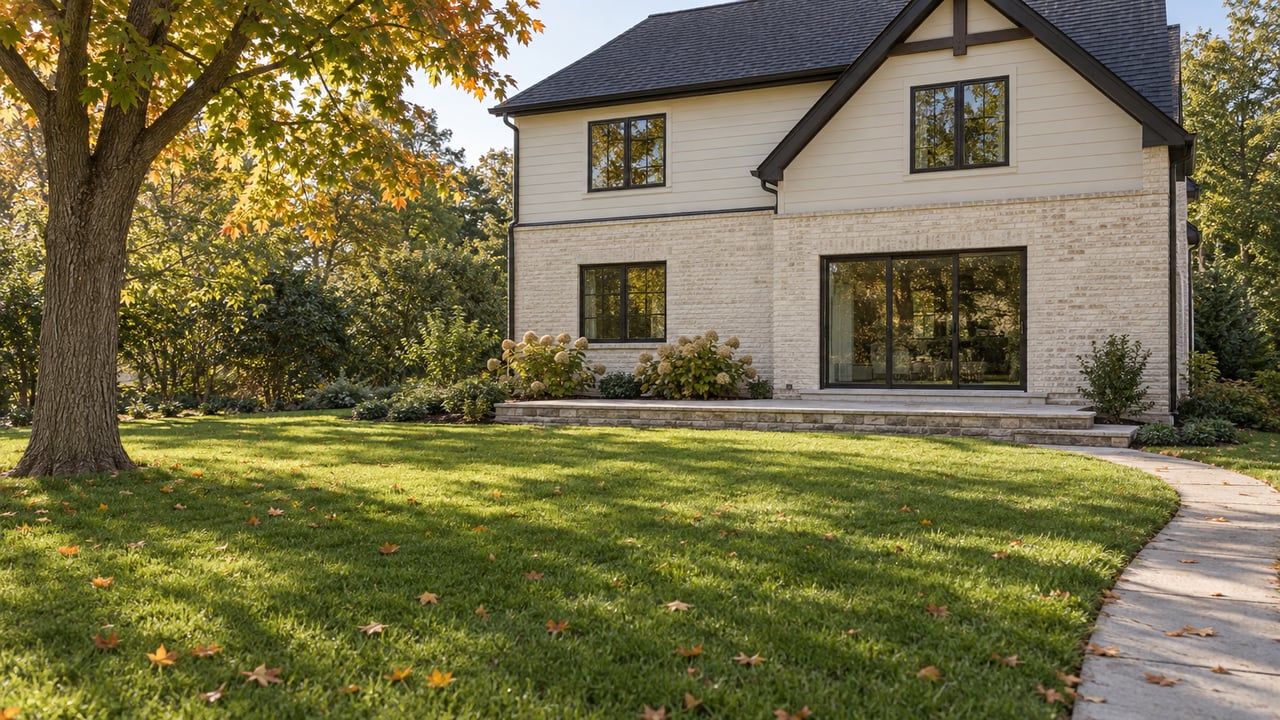
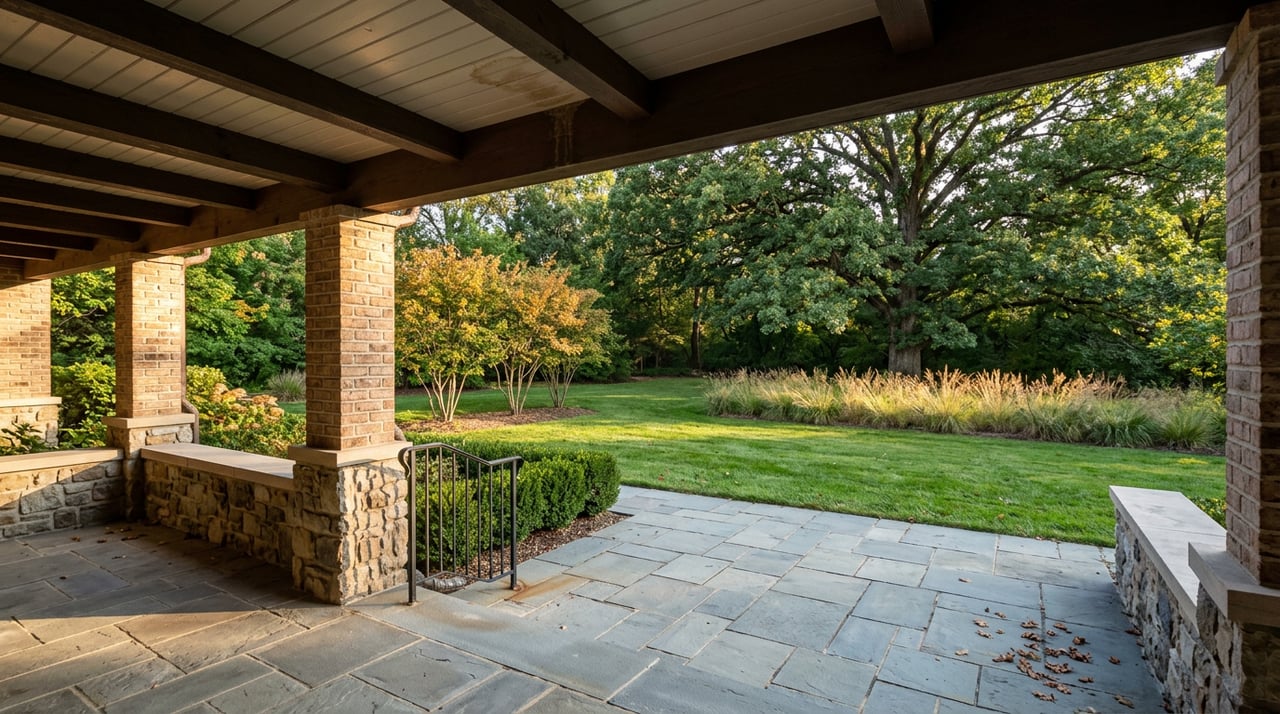
A buyer's impression of a home begins before they step inside. The approach from the street, the condition of the driveway and walkway, the front landscaping, and the state of the front door all communicate something about the home before a single interior feature has been seen.
In Iowa City's established neighborhoods, including College Hill, Longfellow, and the areas surrounding Hickory Hill Park, homes often carry significant architectural character that buyers are drawn to from the curb. A craftsman bungalow with peeling paint on the porch trim or an overgrown foundation planting sends a message that competes directly with whatever the interior has to offer. Buyers begin editing their expectations the moment something looks unattended.
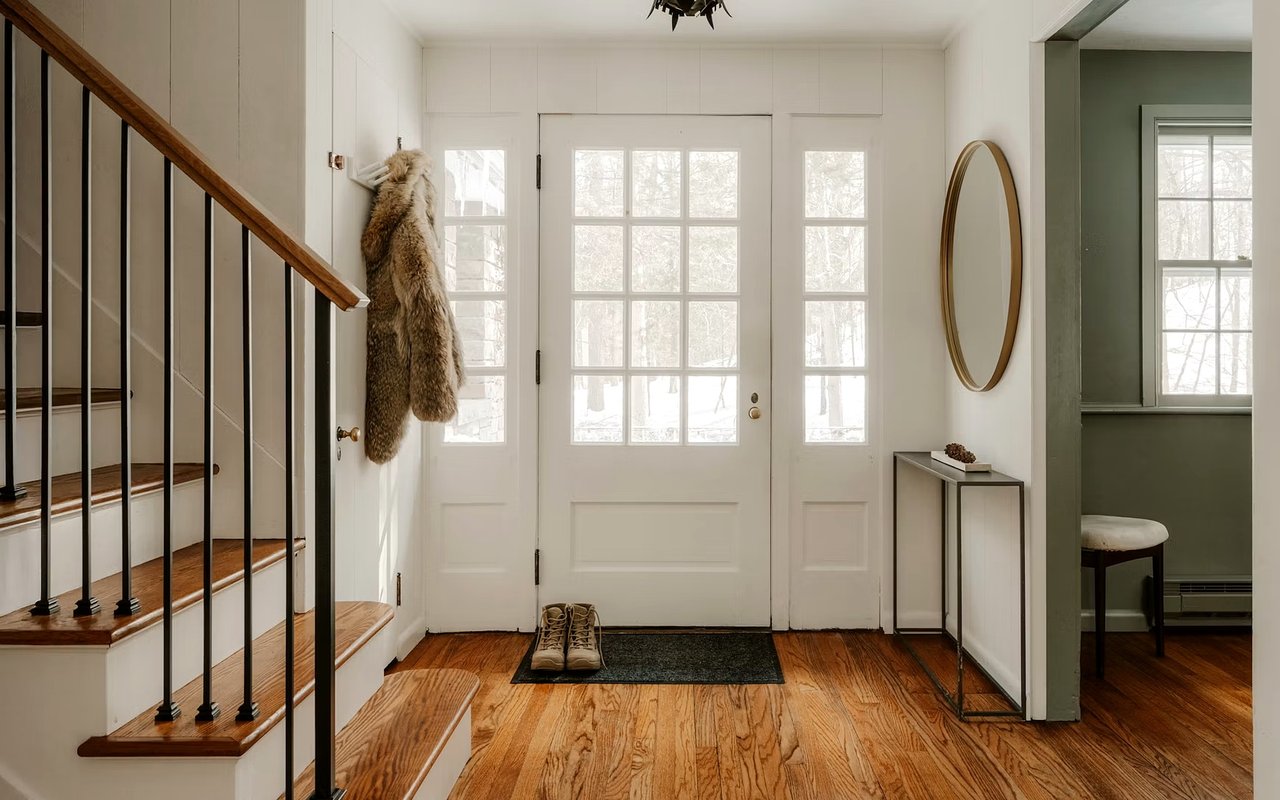
The front door deserves particular attention. It is the physical threshold between outside and inside, and buyers interact with it directly. A door that sticks, a lockbox that is difficult to operate, a screen door that does not hang properly, these are small things that register immediately and disproportionately. A freshly painted front door in a considered color, clean hardware, and a well-maintained entry mat cost very little relative to the impression they create.
In North Liberty and Coralville's newer construction neighborhoods, where homes share more similar architectural profiles, curb appeal differentiation through landscaping, exterior lighting, and entry detailing becomes even more important because the home needs to stand out within a more uniform streetscape.
In Iowa City's established neighborhoods, including College Hill, Longfellow, and the areas surrounding Hickory Hill Park, homes often carry significant architectural character that buyers are drawn to from the curb. A craftsman bungalow with peeling paint on the porch trim or an overgrown foundation planting sends a message that competes directly with whatever the interior has to offer. Buyers begin editing their expectations the moment something looks unattended.
The front door deserves particular attention. It is the physical threshold between outside and inside, and buyers interact with it directly. A door that sticks, a lockbox that is difficult to operate, a screen door that does not hang properly, these are small things that register immediately and disproportionately. A freshly painted front door in a considered color, clean hardware, and a well-maintained entry mat cost very little relative to the impression they create.
In North Liberty and Coralville's newer construction neighborhoods, where homes share more similar architectural profiles, curb appeal differentiation through landscaping, exterior lighting, and entry detailing becomes even more important because the home needs to stand out within a more uniform streetscape.
What Hits Buyers When the Door Opens
The first interior moment is the entry or foyer, and what buyers encounter there sets the emotional register for the entire showing. Three things land simultaneously: what they see, what they smell, and how the space feels dimensionally.
The first sightline matters enormously. In homes where the entry opens directly to a well-lit, well-proportioned main living space, buyers feel welcomed and oriented. In homes where the first view is a wall, a staircase, or a cluttered surface, buyers feel constricted before they have seen anything else. Sellers who can improve their entry sightline through furniture editing, mirror placement, or paint color adjustments create an immediate advantage.
Odor is the variable that sellers consistently underestimate because they have habituated to their own home's scent. Buyers have not. Pet odors, cooking residue, basement mustiness, and heavy use of masking fragrances all register within seconds and influence buyer perception in ways that are difficult to reverse once the association has been made. A home that smells clean and neutral gives buyers space to project their own life into it. A home with a distinctive odor keeps pulling them back to someone else's.
Ceiling height and natural light create the spatial impression that buyers describe when they say a home feels open or feels small. These are not always structural realities. They are perceptual ones, influenced by paint color, window treatment choices, furniture scale, and lighting fixture selection. In Iowa City's older housing stock, where ceiling heights vary considerably between eras of construction, these perceptual tools matter.
The first sightline matters enormously. In homes where the entry opens directly to a well-lit, well-proportioned main living space, buyers feel welcomed and oriented. In homes where the first view is a wall, a staircase, or a cluttered surface, buyers feel constricted before they have seen anything else. Sellers who can improve their entry sightline through furniture editing, mirror placement, or paint color adjustments create an immediate advantage.
Odor is the variable that sellers consistently underestimate because they have habituated to their own home's scent. Buyers have not. Pet odors, cooking residue, basement mustiness, and heavy use of masking fragrances all register within seconds and influence buyer perception in ways that are difficult to reverse once the association has been made. A home that smells clean and neutral gives buyers space to project their own life into it. A home with a distinctive odor keeps pulling them back to someone else's.
Ceiling height and natural light create the spatial impression that buyers describe when they say a home feels open or feels small. These are not always structural realities. They are perceptual ones, influenced by paint color, window treatment choices, furniture scale, and lighting fixture selection. In Iowa City's older housing stock, where ceiling heights vary considerably between eras of construction, these perceptual tools matter.
The Kitchen and Primary Suite
After the entry sequence, buyers move through the home with a mental hierarchy. The kitchen and primary suite receive the most sustained attention in every price tier, and showing feedback from Johnson County buyers consistently confirms this.
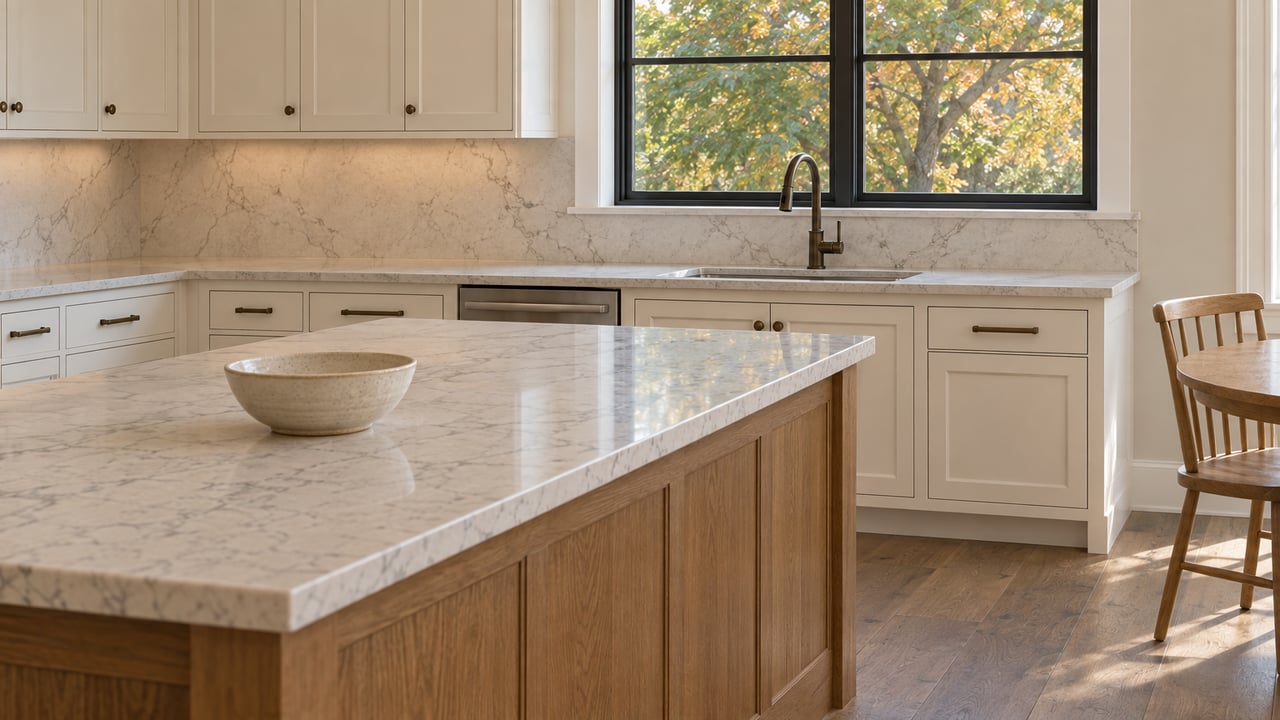
In the kitchen, buyers notice countertop condition, appliance age and brand, cabinet hardware, sink and faucet quality, and the overall coherence of the finishes before they think about layout or storage capacity. A kitchen with dated but immaculate finishes reads very differently than one with newer elements that are poorly maintained. Cleanliness and condition outperform newness when newness is accompanied by neglect.
The primary suite is evaluated as a retreat. Buyers are asking a specific question when they walk into this room: can I see myself here at the end of the day? Natural light, the condition of the primary bathroom, closet organization, and the overall sense of calm or clutter in the space all contribute to how that question gets answered. A staged primary suite that communicates rest and privacy consistently outperforms one that reads as a functional but impersonal room.
In the kitchen, buyers notice countertop condition, appliance age and brand, cabinet hardware, sink and faucet quality, and the overall coherence of the finishes before they think about layout or storage capacity. A kitchen with dated but immaculate finishes reads very differently than one with newer elements that are poorly maintained. Cleanliness and condition outperform newness when newness is accompanied by neglect.
The primary suite is evaluated as a retreat. Buyers are asking a specific question when they walk into this room: can I see myself here at the end of the day? Natural light, the condition of the primary bathroom, closet organization, and the overall sense of calm or clutter in the space all contribute to how that question gets answered. A staged primary suite that communicates rest and privacy consistently outperforms one that reads as a functional but impersonal room.
Deferred Maintenance Signals and What They Cost
Buyers are trained, consciously or not, to read maintenance signals. A cracked outlet cover, a dripping faucet, a water stain on a ceiling tile, a basement window that does not close fully, none of these items are structurally significant in isolation. But together they tell a buyer that the home has been lived in rather than cared for, and that distinction affects both the offer price and the buyer's appetite for negotiating inspection items.
In the Iowa City market, where buyers at the upper price tiers are often making careful, well-researched decisions, the accumulation of small deferred maintenance details can erode confidence in ways that are disproportionate to the actual cost of addressing them. We consistently advise sellers to walk through their home with the specific intent of identifying these signals before a buyer does, because addressing them before listing is almost always less expensive than conceding them during negotiation.
The Jill Armstrong Team provides every seller with a pre-listing walkthrough focused on exactly this kind of detail, because we know what buyers in Johnson County are looking for and what they are using to calibrate their offers.
In the Iowa City market, where buyers at the upper price tiers are often making careful, well-researched decisions, the accumulation of small deferred maintenance details can erode confidence in ways that are disproportionate to the actual cost of addressing them. We consistently advise sellers to walk through their home with the specific intent of identifying these signals before a buyer does, because addressing them before listing is almost always less expensive than conceding them during negotiation.
The Jill Armstrong Team provides every seller with a pre-listing walkthrough focused on exactly this kind of detail, because we know what buyers in Johnson County are looking for and what they are using to calibrate their offers.
The Garage, Lower Level, and Secondary Spaces
Buyers do not stop evaluating when they reach the spaces that are not featured in the listing photography. Garages, lower levels, utility rooms, and secondary bedrooms all get seen during a showing, and their condition contributes to the overall impression of how the home has been maintained.
A clean, organized garage with good lighting and a functional door system signals care. A lower level that smells dry, shows no evidence of water intrusion, and is thoughtfully finished or cleanly unfinished reads as usable square footage. These spaces are not glamorous, but their condition consistently appears in showing feedback from Iowa City buyers, and that feedback shapes offers.
A clean, organized garage with good lighting and a functional door system signals care. A lower level that smells dry, shows no evidence of water intrusion, and is thoughtfully finished or cleanly unfinished reads as usable square footage. These spaces are not glamorous, but their condition consistently appears in showing feedback from Iowa City buyers, and that feedback shapes offers.
FAQ: What Buyers Notice When Touring Iowa City Homes
How important is staging relative to other pre-listing preparations?
Staging matters, but condition matters more. A well-staged home with visible deferred maintenance will lose buyer confidence faster than a modestly furnished home that is immaculate and well-maintained. The Jill Armstrong Team advises sellers to prioritize condition before investing in staging.
Do buyers really notice small details like outlet covers and faucet hardware?
They do, particularly in the upper-mid and luxury tiers of the Iowa City market. Small details accumulate into an overall impression of maintenance quality that buyers translate directly into offer price and inspection negotiation posture.
How should sellers handle odor before listing?
The most effective approach is a deep clean, including carpets, HVAC filters, and any upholstered surfaces, followed by a period of ventilation. Masking fragrances rarely work and often signal to buyers that something is being concealed. A neutral, clean scent is always the goal.
What is the single highest-leverage pre-listing improvement a seller can make?
It depends on the home, but the entry sequence, including curb appeal, front door condition, and the first interior sightline, consistently delivers the highest return relative to cost because it shapes the frame through which everything else is evaluated.
Does The Jill Armstrong Team provide pre-listing guidance to sellers?
Yes. Every seller we represent receives a market-informed pre-listing consultation that addresses what Johnson County buyers respond to at their specific price point. That guidance is part of how we bring a property to market effectively.
Prepare Your Iowa City Home to Make the Right First Impression
The details buyers notice first are the details that shape everything that follows, from showing feedback to offer price to inspection negotiation. Getting them right before your home goes to market is one of the most valuable things you can do as a seller.
When you are ready to list in Iowa City, Coralville, North Liberty, or anywhere in Johnson County, The Jill Armstrong Team brings the market knowledge and pre-listing expertise to help your home make the strongest possible first impression.
When you are ready to list in Iowa City, Coralville, North Liberty, or anywhere in Johnson County, The Jill Armstrong Team brings the market knowledge and pre-listing expertise to help your home make the strongest possible first impression.