By The Jill Armstrong Team
Making your home more sustainable isn’t just a trend; it’s a great way to create a healthier environment, lower your bills, and contribute to a healthier planet. Thankfully, you don’t need an extensive budget or an all-or-nothing approach. Instead, you can take simple, actionable steps that add up over time.
Our guide below will walk you through the top ways to introduce sustainable living practices into your home, helping you save money, reduce waste, and make daily life more mindful.
Key Takeaways
- Discover practical steps you can start using today for a greener home.
- Learn how sustainable habits can save you money and reduce waste.
- Find inspiration for easy changes in every room of your house.
- See how you can make a difference.
Make Energy Efficiency a Priority
When you start thinking about sustainability at home, energy efficiency should be high on your list. The energy used to power your appliances, lights, and climate control systems makes up a significant portion of your environmental impact.
You can start by replacing old incandescent bulbs with LED alternatives, which use a fraction of the electricity and last much longer. Consider installing programmable thermostats that help you manage your heating and cooling, ensuring energy is never wasted.
Upgrading to ENERGY STAR-rated appliances is another valuable move. These appliances are engineered to consume less power while still delivering excellent performance. Don’t forget about the small steps, too; unplug chargers and electronics when they’re not in use, seal windows and doors to prevent drafts, and use ceiling fans to circulate air more efficiently.
You can start by replacing old incandescent bulbs with LED alternatives, which use a fraction of the electricity and last much longer. Consider installing programmable thermostats that help you manage your heating and cooling, ensuring energy is never wasted.
Upgrading to ENERGY STAR-rated appliances is another valuable move. These appliances are engineered to consume less power while still delivering excellent performance. Don’t forget about the small steps, too; unplug chargers and electronics when they’re not in use, seal windows and doors to prevent drafts, and use ceiling fans to circulate air more efficiently.
Energy Efficiency Tips at a Glance
- Replace old bulbs with LED lighting.
- Use programmable thermostats.
- Upgrade to ENERGY STAR appliances.
- Unplug devices when not in use.
- Seal windows and doors to prevent air leaks.
- Use ceiling fans to reduce reliance on heating and cooling.
Reduce Water Usage
Water conservation is a fundamental part of sustainable living. Begin by checking for leaks in your faucets, toilets, and pipes, as even a slow drip can waste gallons over time.
Install low-flow showerheads and faucet aerators to significantly cut down on water use without sacrificing comfort. If you have a yard or garden, consider drought-tolerant plants and water-efficient irrigation methods.
Inside, aim to always run full loads in your dishwasher and washing machine whenever possible. These small changes can add up quickly, making a notable difference in your water bill and your environmental footprint.
Install low-flow showerheads and faucet aerators to significantly cut down on water use without sacrificing comfort. If you have a yard or garden, consider drought-tolerant plants and water-efficient irrigation methods.
Inside, aim to always run full loads in your dishwasher and washing machine whenever possible. These small changes can add up quickly, making a notable difference in your water bill and your environmental footprint.
Simple Water Conservation Strategies
- Fix leaks in sinks, toilets, and pipes promptly.
- Install low-flow showerheads and faucet aerators.
- Choose drought-resistant plants for outdoor spaces.
- Run only full loads in the dishwasher and washing machine.
Embrace Recycling and Composting
Recycling and composting are essential steps for managing waste at home. Set up clearly labeled bins for recyclables, such as paper, glass, metals, and certain plastics. Take a few minutes to rinse out containers and break down boxes to keep your recycling system efficient and odor-free.
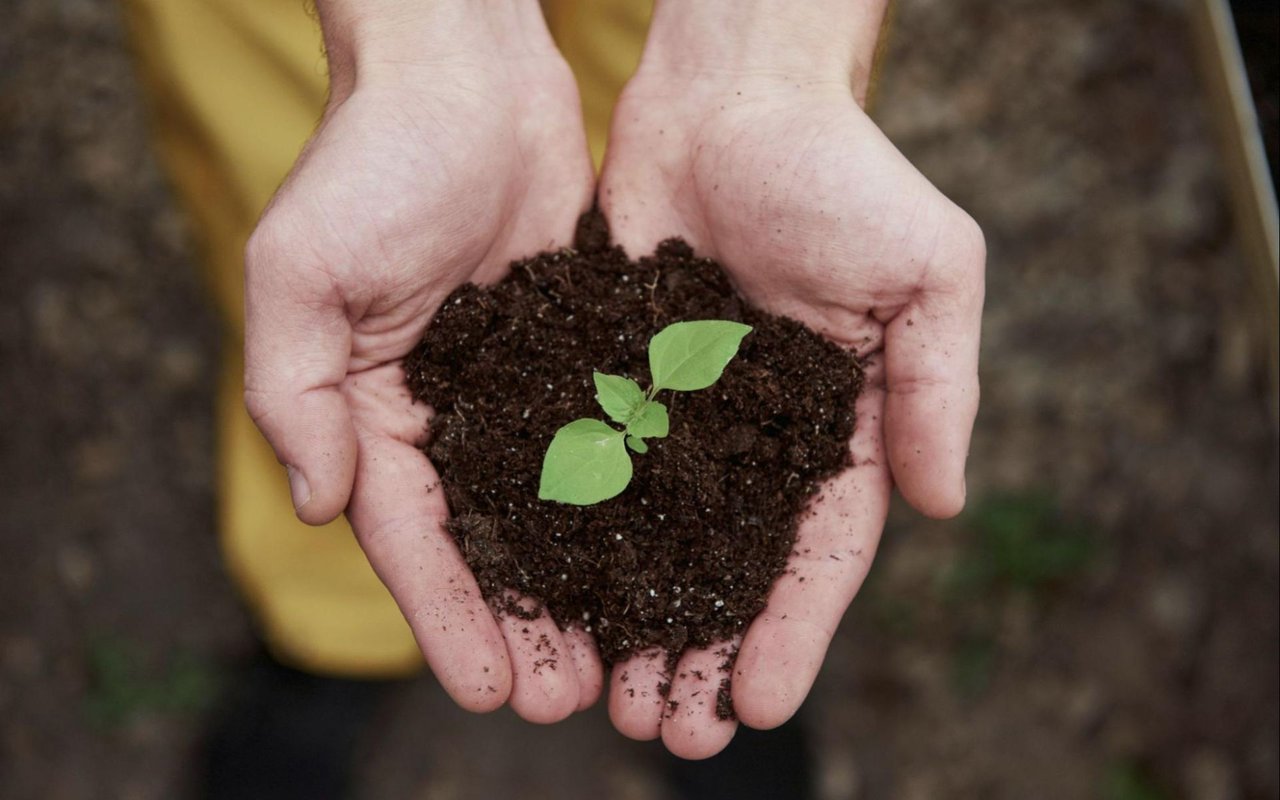
Composting is another useful practice. By collecting kitchen scraps like fruit and vegetable peels, coffee grounds, and eggshells, you can create rich compost for your plants and garden. This not only reduces landfill waste but also improves your soil without synthetic fertilizers.
Composting is another useful practice. By collecting kitchen scraps like fruit and vegetable peels, coffee grounds, and eggshells, you can create rich compost for your plants and garden. This not only reduces landfill waste but also improves your soil without synthetic fertilizers.
Quick Tips for Waste Management
- Set up labeled bins for paper, plastic, glass, and metals.
- Rinse containers before recycling them.
- Break down and recycle or reuse boxes.
- Start a compost bin for kitchen scraps and yard waste.
- Avoid single-use plastics whenever possible.
Choose Eco-Friendly Cleaning Products
Many cleaning supplies contain chemicals that can pollute waterways and harm both your health and the environment. Switching to eco-friendly cleaning products is a simple step with remarkable benefits. Look for brands that use natural ingredients, biodegradable packaging, and transparent labeling.
If you prefer a DIY approach, you can make effective cleaners at home with common ingredients like vinegar, baking soda, and lemon juice. These homemade solutions are safe, budget-friendly, and just as powerful as store-bought alternatives.
If you prefer a DIY approach, you can make effective cleaners at home with common ingredients like vinegar, baking soda, and lemon juice. These homemade solutions are safe, budget-friendly, and just as powerful as store-bought alternatives.
Green Cleaning Habits
- Use plant-based, non-toxic cleaning products.
- Avoid harsh disinfectants.
- Make your own cleaners with vinegar, baking soda, and lemon juice.
- Choose concentrated or refillable cleaning supplies.
- Recycle or reuse spray bottles and containers.
Opt for Sustainable Materials and Furnishings
Sustainable living extends to the materials you choose for your home. Look for furniture made from reclaimed wood, bamboo, or recycled metal. These materials are renewable and have a lower environmental impact than conventional options.
Textiles also play a role. Choose organic cotton, linen, hemp, or recycled fibers for your bedding, curtains, and rugs. These choices support responsible manufacturing and minimize the chemicals entering your living space.
Textiles also play a role. Choose organic cotton, linen, hemp, or recycled fibers for your bedding, curtains, and rugs. These choices support responsible manufacturing and minimize the chemicals entering your living space.
Sustainable Shopping Tips
- Choose furniture made from reclaimed or certified sustainable wood.
- Opt for bamboo or recycled metal where possible.
- Look for textiles labeled organic, recycled, or fair-trade.
- Shop second-hand or vintage to reduce demand for new resources.
Minimize Single-Use Items
Single-use products create a massive amount of waste. Swapping disposable items for reusable alternatives is one of the easiest ways to create lasting change. Invest in reusable shopping bags, stainless steel water bottles, and food storage containers.
For your kitchen, choose cloth napkins, beeswax wraps instead of plastic wrap, and glass or silicone storage options. These swaps not only help the environment but also save you money over time.
For your kitchen, choose cloth napkins, beeswax wraps instead of plastic wrap, and glass or silicone storage options. These swaps not only help the environment but also save you money over time.
Smart Swaps for Everyday Life
- Use reusable shopping bags and water bottles.
- Choose beeswax wraps over plastic wrap.
- Switch to cloth napkins and towels.
- Use glass or stainless steel food storage containers.
- Avoid single-serve coffee pods and disposable utensils.
FAQs
What Are the Easiest Ways to Start Living Sustainably at Home?
Begin by swapping out old lightbulbs for LEDs, reducing water usage, and setting up a simple recycling system. Small steps add up and create a foundation for more advanced sustainable living choices.
How Can I Save Money While Living Sustainably?
Sustainable living often leads to cost savings, especially on utility bills and groceries. Efficient appliances and reduced water usage will help your budget in the long run.
What Should I Look For in Eco-Friendly Products?
Focus on items made from renewable or recycled materials, minimal packaging, and labels that indicate non-toxic ingredients. Certifications like ENERGY STAR, USDA Organic, and Fair Trade can also guide your choices.
How Can I Get My Household Interested in Sustainable Living?
Share the benefits, make it fun, and lead by example. Encourage everyone to participate by assigning tasks, setting shared goals, and celebrating progress.
Start Making a Difference Today
You don’t have to wait for the perfect time or a major renovation to begin your journey toward sustainable living. Every small change in your home brings you closer to a healthier, more eco-conscious lifestyle.
Whether you swap out the lightbulbs, start composting, or inspire your household to join the effort, the most important thing is to begin the effort. Each step you take benefits both your living space and the world around you.
If you’re ready to explore your options in Iowa City real estate, connect with us at The Jill Armstrong Team.
Whether you swap out the lightbulbs, start composting, or inspire your household to join the effort, the most important thing is to begin the effort. Each step you take benefits both your living space and the world around you.
If you’re ready to explore your options in Iowa City real estate, connect with us at The Jill Armstrong Team.