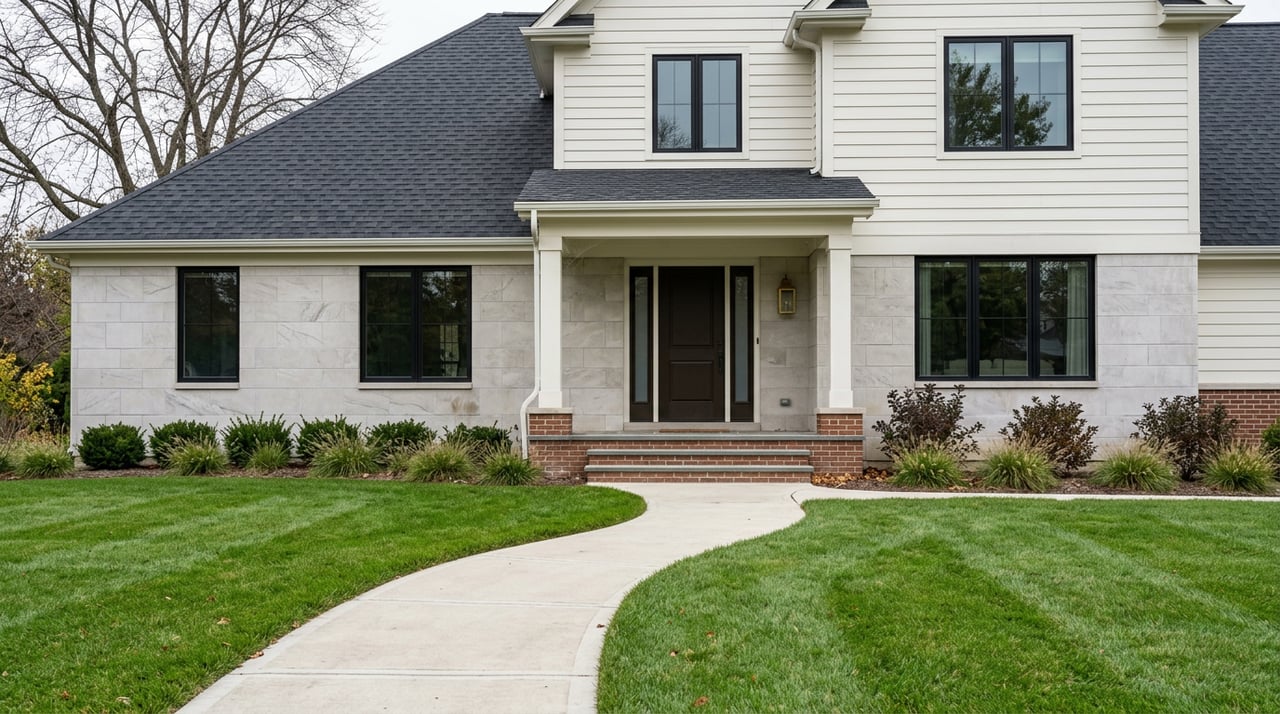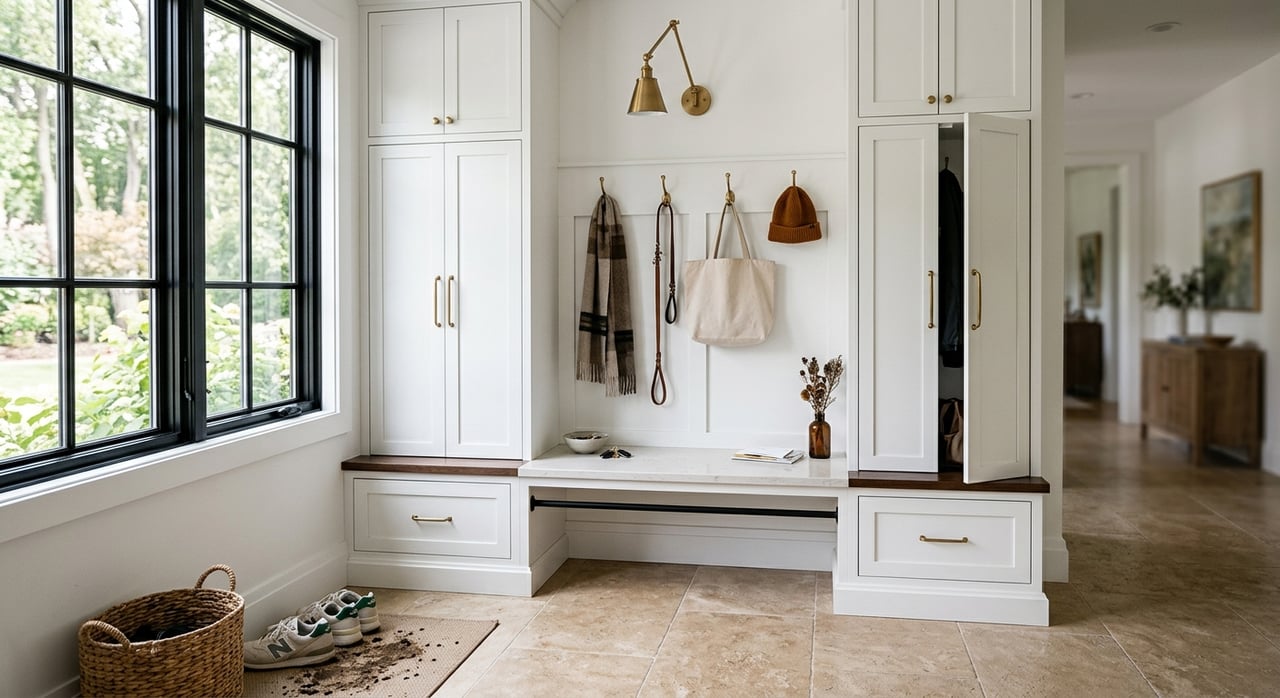
Thinking about moving up in Solon but worried about how to line up the sale of your current home with the purchase of the next one? You are not alone. In a steady market with limited inventory, the biggest challenge is often not whether you can make a move, but how to time it without adding unnecessary stress or cost. This guide will walk you through what to watch in Solon, how to choose between selling first or buying first, and which timing tools may help you keep your move on track. Let’s dive in.
Solon timing starts with the market
If you are planning a move-up within Solon, local conditions matter. Solon is a smaller, stable community with 3,152 residents and only 6.5% of residents moving in the prior year. That kind of stability usually means fewer homes changing hands at any one time, so the right timing can make a real difference.
Current price signals show a market centered in the mid-$400,000s. Redfin reported a May 2026 median sale price of $446,133, while Zillow reported a typical home value of $453,156 and 51 homes for sale as of May 31, 2026. Homes were selling in about 45 days on market, with 29.2% selling above list price and an average sale-to-list ratio of 99.7%.
For you, that points to a market with modest inventory and moderate competition. Homes are still moving, but buyers are paying attention to price and presentation. If you want to sell and buy in the same season, it helps to prepare early and stay flexible.
Sell first or buy first?
This is the question most move-up homeowners ask first, and there is no one-size-fits-all answer. The best sequence depends on your cash position, your comfort with risk, and how important it is to avoid a temporary move.
Selling first offers more certainty
For many homeowners, selling first is the safer path. It gives you a clearer picture of your net proceeds and helps you set a realistic budget for the next purchase. That matters because your move-up plan may involve more than just a down payment.
You may also need funds for closing costs, moving expenses, insurance, taxes, utility setup, repairs, furniture, and a reserve for surprises. Closing costs alone commonly run about 2% to 5% of the purchase price. When you sell first, you are making decisions with real numbers instead of estimates.
The tradeoff is timing. If your current home closes before your next one is ready, you may need a short-term living plan.
Buying first can reduce disruption
Buying first may appeal to you if avoiding a temporary move matters most. This option can make the transition feel smoother, especially if you want more time to pack, coordinate schedules, or move directly into your next home.
The challenge is that buying first often puts more pressure on your cash and financing. You may need to qualify while still owning your current home, and you may have overlapping housing costs for a period of time. In a market like Solon, where inventory is not unlimited, this route can work well, but only if the numbers are carefully planned.
A simple way to decide
If certainty matters most, selling first is often the better fit. If convenience and avoiding a double move matter most, buying first may be worth exploring. If you need a middle ground, tools like bridge financing or a rent-back can create breathing room.
Tools that can ease overlapping closings
When you are moving from one Solon home to another, the goal is often to reduce the pressure between two major transactions. A few timing tools can help make that possible.
Bridge financing
A bridge loan is short-term financing that can let you access equity before your current home sells. For some move-up buyers, that can help with the down payment on the replacement home and make it easier to write a cleaner offer.
This can be especially helpful if you want to buy before your sale closes. Still, it is important to look closely at the monthly cost, approval requirements, and how long you expect to carry both properties. This option works best when you have strong equity and a clear repayment plan.
Rent-back agreements
A rent-back can let you sell your home and stay in it for a negotiated period after closing. That can give you extra time to close on your next property, finish repairs, or move without rushing.
For some Solon sellers, this is one of the simplest ways to avoid a housing gap. It can also make a sell-first plan feel much more manageable.
How contingencies affect your offer strength
Contingencies are not automatically a problem. They are tools that can protect you, but they can also make your offer less appealing depending on the situation.
Common contingencies for move-up buyers
The most common contingencies in a move-up transaction include:
- Financing contingency
- Appraisal contingency
- Inspection contingency
- Home-sale contingency
- Home-close contingency
These terms create conditions that must be met before the transaction can fully move forward. For example, an inspection contingency can allow you to cancel without penalty if serious problems are found.
Why sellers may hesitate
A home-sale or home-close contingency can protect you, but it may also make your offer feel less certain to the seller. Sellers may keep showing the property after accepting a contingent offer, and a kick-out clause can allow them to take a better offer if the first buyer cannot perform.
That does not mean you should avoid contingencies at all costs. It means you should use them strategically. In a market with moderate competition, the strongest offers often balance protection with simplicity.
Timing matters with inspections
If your offer includes an inspection contingency, schedule inspections early. That leaves time for follow-up inspections or lender-required repairs if issues come up. Appraisals and loan conditions can also affect closing timing, so a little extra runway can help keep the whole chain moving.
Prep your current home before it hits the market
In Solon, where homes are taking about 45 days on market on average, preparation should happen before your listing goes live. Once a home is active, first impressions matter.
Staging and listing media can make a real difference in how buyers respond. In NAR’s 2025 Profile of Home Staging, 83% of buyers’ agents said staging made it easier for buyers to visualize a property as a future home. The same report found that 73% said photos were very or somewhat important, 57% said physical staging was important, and 48% said videos were important.
For move-up sellers, that supports a practical plan: prepare early, present well, and launch strong. The living room, primary bedroom, and kitchen were identified as the most important rooms to stage. Even when full staging is not needed, decluttering and fixing obvious issues can help your home show better from day one.
A smart pre-listing checklist
Before your home goes live, focus on the basics that support a faster, smoother sale:
- Declutter main living spaces
- Tidy and simplify the kitchen
- Refresh the primary bedroom
- Address obvious maintenance issues
- Plan professional photos and video
- Review pricing with current market data
- Complete required seller paperwork early
A well-prepared listing can help you protect your timeline and reduce the odds of needing price cuts or rushed fixes later.
Budget for more than the next down payment
One of the easiest mistakes in a move-up plan is focusing only on purchase price. In reality, your cash needs may be spread across several categories at once.
Along with your down payment, you should plan for closing costs, moving expenses, utility setup, repairs, furniture, insurance, taxes, and a financial cushion. If you are buying before selling, you may also need to account for overlapping payments for a period of time.
It is also wise to avoid major credit changes before you buy. Taking out a new car loan or making large credit-card purchases in the months before a home purchase can affect your financing.
Get preapproved early
Preapproval gives you a better idea of your price range and can help you act faster when the right home appears. It can also help you compare official Loan Estimates from lenders before choosing a loan.
That matters even more when you are trying to line up proceeds from your current sale with the down payment for your next home. A clear financing plan makes every other decision easier.
Iowa paperwork that can affect your timeline
When you are selling one home and buying another in Solon, timing is not just about showings and closings. Iowa paperwork can also affect the process.
Seller disclosure comes early
Under Iowa Code Chapter 558A, most transfers of residential property with one to four dwelling units require a written disclosure statement. That statement must be delivered before the seller makes or accepts a written offer.
If the disclosure is not delivered on time, the buyer may have a short window to withdraw or revoke the offer after receiving it. For you, the takeaway is simple: disclosure paperwork should be ready before listing and before negotiations get serious.
Homestead exemption details matter too
Beginning with assessment year 2026, Iowa’s homestead credit was replaced with a homestead exemption. Claims are filed with the city or county assessor by July 1, and written notification is required when the property is conveyed or no longer used as a homestead.
If you are moving from one Solon home to another, this may create paperwork for both the old property and the new one. It is one more reason to keep your sale and purchase organized from the start.
A practical move-up plan for Solon homeowners
If you want the smoothest path possible, start planning before you list. Review your equity, get preapproved, prepare your home, and talk through your timing options early. In a stable market like Solon, strong preparation often matters more than trying to perfectly predict the calendar.
The good news is that a move-up within Solon can be done with less stress when you have a clear sequence and the right support. If you want thoughtful guidance on pricing, home prep, staging, and coordinating both sides of your move, The Jill Armstrong Team is here to help.
FAQs
Should I sell my Solon home before buying another one in Solon?
- Selling first usually gives you the clearest picture of your budget and net proceeds, while buying first may reduce disruption if you can comfortably manage the financing and timing.
How competitive is a home-sale contingency in Solon?
- A home-sale contingency can protect you, but it may make your offer less attractive because sellers may prefer cleaner terms or keep showing the home while your contingency is in place.
Can a rent-back help when moving within Solon?
- Yes. A rent-back can allow you to sell your current home and remain there for a negotiated period after closing, which may help bridge the gap before your next home is ready.
How much cash should I keep available for a move-up purchase in Solon?
- In addition to your down payment, plan for closing costs that commonly run 2% to 5% of the purchase price, plus moving expenses, utility setup, repairs, furniture, and an emergency cushion.
What Iowa paperwork should I prepare before selling my Solon home?
- For most one-to-four-unit residential sales, Iowa requires a written seller disclosure statement before a written offer is made or accepted, and a move may also trigger homestead exemption paperwork for the property you sell and the one you buy.